Local Insights to Premier Deck Builders Austin
Wood or Composite Decking: How Do They Compare and Which Should You Choose?
When exploring deck materials, property owners often face a choice between wood and composite decking. Both options come with their own distinct benefits and limitations. Wood is well-known for its classic aesthetic charm, while composite provides lasting durability with minimal upkeep. However, the implications of these choices extend beyond aesthetics and upkeep. Elements like pricing, ecological footprint, and lasting sustainability are equally important considerations. Understanding these elements can help guide the decision, but what truly matters in the end?
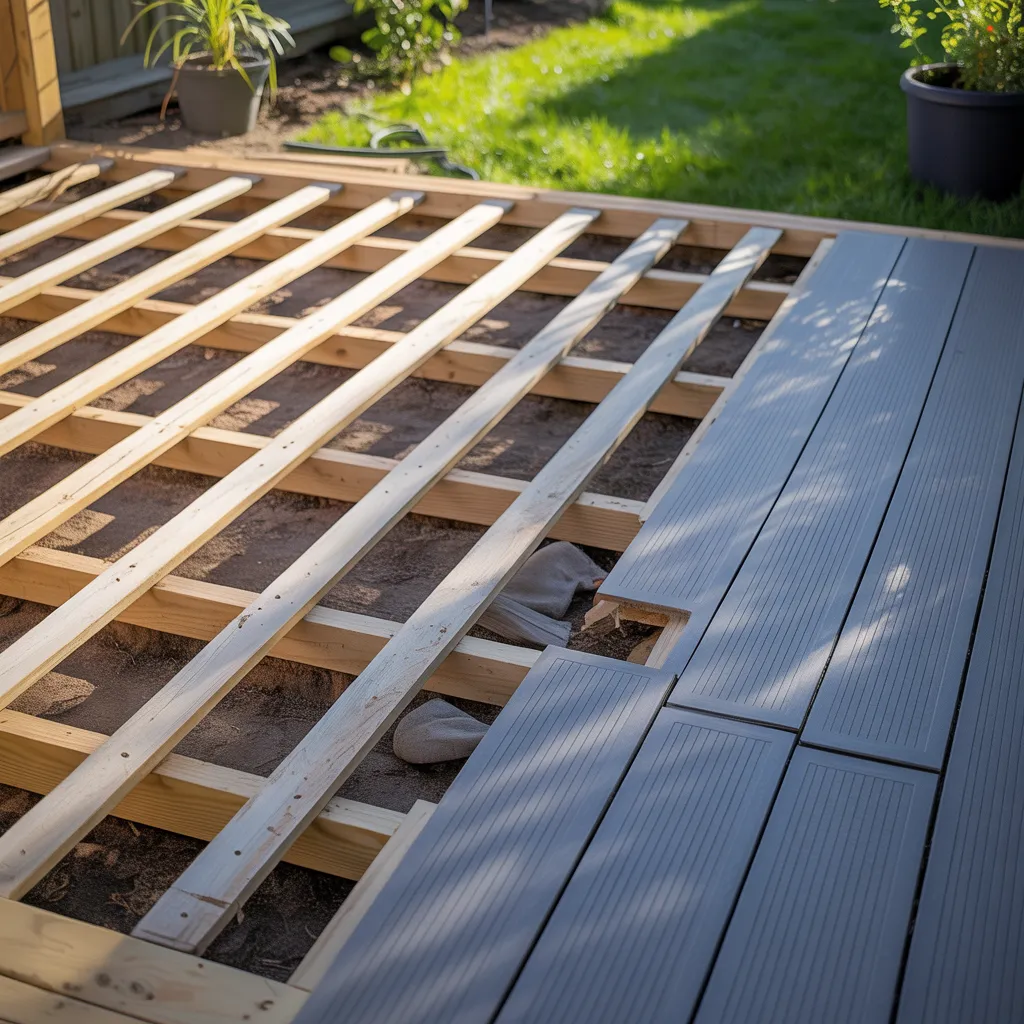
Wood vs. Composite: Which Decking Option Is Best for You?
When considering decking options, homeowners frequently ask which choice best suits their needs: wood or composite. Each option presents unique characteristics that can influence a homeowner's decision. Natural wood decking, generally crafted from natural materials, offers a timeless appearance and can be personalized using various coatings and treatments. Its natural look attracts many homeowners, but it may require consistent care to protect against wear.
On the other hand, composite decking merges wood fiber elements with man-made materials, resulting in a durable, low-maintenance surface. This material resists fading, staining, and splintering, making it appealing for those seeking longevity. That said, the initial cost of composite decking is often greater than that of conventional wood.
At the end of the day, the selection between wood and composite decking depends on personal preferences, aesthetic desires, and willingness to invest time and resources into maintenance. Both materials offer distinct advantages, making thorough assessment critical for property owners looking to improve their exterior living areas.
Pros and Cons of Wood Decking
Wood decking provides a mix of organic beauty and rustic character, making it a favored choice for many homeowners. A key benefit is its visual appeal; the rich tones and distinctive grain patterns elevate outdoor areas. Additionally, wood tends to be more budget-friendly than composite options, presenting a budget-conscious option for homeowners working within a budget.
However, wood decking is not without its shortcomings. Preserving its look and preventing weather-induced deterioration requires consistent maintenance efforts, including sealing and staining. Wood is also susceptible to pests, such as termites, and can warp or splinter over time. Such vulnerability demands continuous monitoring and the possible replacement of compromised boards.
The Upsides and Downsides of Composite Decking
Composite decking presents an innovative alternative to conventional wood, delivering lasting strength and easy care. One of its primary advantages is resilience against decay, splintering, and pest damage, enabling a significantly extended lifespan over traditional wood. Furthermore, composite materials are typically made from recycled plastics and wood fibers, drawing interest from sustainability-minded buyers.
However, there are drawbacks to evaluate. Composite decking often costs more initially than traditional wood, influencing early budget decisions. Some composite options may fade with time, requiring periodic color restoration. Additionally, while it requires related content less maintenance, regular cleaning is still necessary to prevent mold and mildew buildup.
Visual Comparison: Wood vs. Composite Decking
Aesthetic value plays an essential role in the choosing process for deck materials. Wood decking is frequently praised for its natural beauty and warmth, offering a timeless appearance that complements a variety of architectural styles. Its deep textures and tones can transform outdoor spaces, creating a timeless charm that countless homeowners appreciate.
On the other hand, composite decking provides a contemporary solution, crafted to replicate the appearance of wood while providing a more uniform look. Offered in a broad selection of finishes and colors, composite materials enable versatile design possibilities. Additionally, they retain their aesthetic over a greater span of time, resisting fading and staining.
Ultimately, In the end, At the end of the day, When all is said and done the decision between wood and composite decking comes down to personal preference. Whereas wood radiates traditional elegance, composite alternatives suit contemporary preferences, providing a low-maintenance alternative without compromising style. Either choice can improve an outdoor environment, however each presents individual aesthetic traits that warrant close attention.
Strength and Longevity: Wood vs. Composite Decks
When examining lasting performance, the contrasts between wood and composite decks stand out, affecting long-term care and functionality. Wood decks, despite their natural beauty, are prone to rot, insects, and weathering. Regular treatments, staining, and sealing are necessary to increase their longevity, contributing to the upkeep demands. By comparison, composite decks are made from a blend of wood fibers and plastic, making them protected against fading, staining, and moisture. This resilience allows composite materials to withstand harsh weather conditions without notable degradation.
Furthermore, composite decks don't need the same level of care as wood, decreasing the time and money homeowners must dedicate. Even though wood tends to offer a classic charm, composite decks offer a more resilient choice for those prioritizing longevity and lower maintenance. In the end, the decision between wood and composite will copyright on a homeowner's preferences concerning lasting performance and ongoing care.
Comparing the Cost of Wood and Composite Decking
The financial aspect of deck materials plays an essential role in homeowners' choices. In a comparison of wood and composite decking, initial costs can greatly differ. Pressure-treated wood typically represents the most budget-friendly selection, with pricing commonly spanning from $2 to $5 per square foot. However, this lower upfront cost may lead to higher long-term expenses owing to ongoing maintenance needs and potential replacement costs.
By comparison, composite decking generally falls from $4 to $10 per square foot. While the initial investment is higher, composite materials frequently include warranties and demand minimal upkeep, potentially resulting in lower overall costs over time. Homebuyers must additionally account for aspects including installation fees, which can differ based on the chosen material. At the end of the day, grasping the full cost of investment, factoring in maintenance and lifespan, is essential for reaching a well-informed decision between wood and composite decking.
Environmental Consequences of Decking Alternatives
The environmental consequences of deck materials covers multiple important elements, including the environmental responsibility of the materials selected. An analysis of the carbon emissions connected to wood and composite decking reveals considerable variation in their ecological effects. Additionally, the longevity and waste implications of each option serve a vital function in evaluating their comprehensive environmental effect.
Sustainability of Materials Used
When considering decking options, the sustainability of the components utilized is a critical factor in assessing their ecological footprint. Timber, often sourced from forests, can be a sustainable resource if sourced through responsible logging. However, irresponsible harvesting methods can cause deforestation and habitat loss. By comparison, composite deck materials, crafted from a combination of reclaimed plastics and wood byproducts, offers a more sustainable choice, repurposing materials that might otherwise pollute the environment. Additionally, composite decking typically needs minimal maintenance and offer a greater durability, minimizing the frequency of replacements and conserving additional resources. Ultimately, considering the sustainability of both wood and composite materials is of great importance for consumers aiming to make environmentally conscious decisions in their decking choices.
Carbon Footprint Comparison
Examining the carbon emissions of decking choices reveals notable distinctions between natural wood and composite alternatives. Wood decks, particularly those procured from eco-consciously managed forests, present a smaller initial carbon footprint, as they are typically constructed from eco-friendly resources. That said, the extraction, shipping, and care of wood decks can generate elevated emissions across their lifetime.
Conversely, composite decking, largely consisting of recycled plastic and wood fibers, presents a more significant production footprint due to demanding energy-consuming processes. Despite this, composite materials may deliver a steadier long-term environmental outcome, as they require less maintenance and do not need to be replaced as frequently. At the core of this decision, the choice between wood and composite materials requires balancing immediate carbon costs against long-term environmental sustainability.
Lifespan and Waste Reduction
Longevity plays an essential role in evaluating the environmental consequences of decking materials. Wood decks, though visually appealing, typically last between 10 and 15 years, requiring regular maintenance and eventual replacement, adding to material waste. By comparison, composite decking are able to endure up to 25 to 30 years with minimal upkeep, lowering the need for replacements and the waste they produce.
Furthermore, composite materials are often made from recycled plastics, preventing waste from reaching landfills. Even so, their fabrication demands processes that consume significant energy. When all is considered, the selection of wood and composite decking rests not only on durability but also on the overall ecological footprint over time. Buyers should evaluate the initial design and cost-related benefits against the long-term ecological consequences of their selected decking material.
Important Considerations for Selecting Decking Material
When picking your decking material, various critical considerations emerge that can greatly impact both aesthetics and functionality. For starters, budget is a major consideration; timber generally offers a more affordable upfront cost, while composite alternatives may deliver ongoing savings as a result of minimal maintenance demands. Furthermore, maintenance requirements vary; natural wood often demands regular sealing and staining, whereas composite products are typically better equipped to withstand discoloration and deterioration.
An additional key consideration is environmental impact; wood that is sustainably sourced tends to be eco-friendly, while composite materials often contain recycled content but may have environmental costs associated with production. Furthermore, longevity serves as an essential consideration; composite decks usually withstand weather extremes better than wood, which may warp or splinter as the years pass. In closing, the choice of appearance is ultimately subjective; wood delivers a traditional aesthetic, while composite products offer an extensive variety of colors and surface finishes. Each of these factors contributes to the ultimate decision on the right decking material for individual needs.
Frequently Asked Questions
How Do I Maintain My Wooden Deck Over Time?
To preserve a wooden deck over time, regular cleaning, sealing, and staining are essential. Checking for damage, swapping out broken boards, and maintaining proper drainage will prolong its life and maintain its look.
Can You Paint or Stain Composite Decking?
Composite decking generally cannot be painted or stained effectively, as its surface is engineered to repel these types of treatments. This limitation helps maintain its color and durability, decreasing the maintenance demands associated with traditional wood decking.
What Warranty Options Are Available for Composite Decking?
Different warranty types for composite decking commonly feature limited lifetime warranties, protection against fading and staining, and structural integrity guarantees. Warranty terms differ among manufacturers, underscoring the necessity of examining the exact terms before committing to a purchase.
How Does Temperature Affect Wood and Composite Decks?
Thermal conditions influences wood and composite decks differently. Wood can expand and contract, leading to structural warping or cracking, while composite materials are more stable, experiencing minimal thermal expansion, which works to preserve the structural integrity in changing temperature conditions.
Are There Specific Brands Recommended for Each Decking Type?
Regarding wood decks, companies like Trex and TimberTech remain top choices, offering long-term performance and visual appeal. On the other hand, composite options available from manufacturers like Azek and Fiberon provide minimal upkeep and exceptional durability, catering to various preferences.